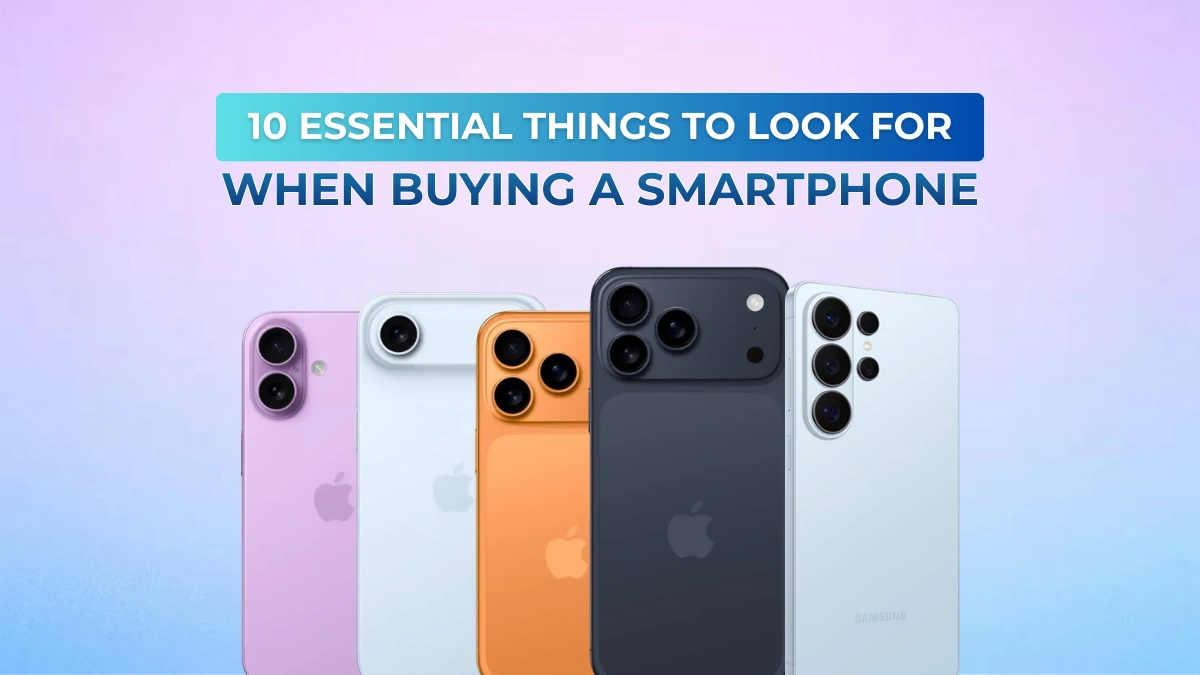
10 Essential Things to Look for When Buying a Smartphone: Your Ultimate Guide

Hey there, Bangladeshi tech enthusiasts & smartphone users! If you’re scrolling through endless options, scratching your head over which smartphone to buy next, you’re not alone. In a world flooded with flashy ads and hype, picking the right phone feels like navigating a maze.
But don’t sweat it—I’ve got your back. As someone who’s dived deep into gadget reviews and user stories, I’m breaking down the 10 key things to consider when buying a smartphone. This isn’t just another generic list; it’s packed with real-talk tips to match your lifestyle, whether you’re a casual scroller, a gaming beast, or a photography pro.
We’ll cover everything from hardware guts to budget hacks, drawing from tried-and-true advice that echoes what brands like Apple, Samsung, vivo, and HONOR emphasize in their guides. By the end, you’ll feel confident dodging buyer’s remorse. Let’s jump in!
How to Choose a Smartphone in 2025?
- Don’t fall for the massive advertising schemes, first figure out what YOU actually need.
- Buy only from verified shops or authorized online stores.
- Low on budget but want a premium phone? Grab it on 0% EMI.
- Newer model isn’t always smarter – last year’s flagship destroys this year’s mid-ranger.
- Pick the best phone that fits your budget, not the most expensive one. 9
- Read reviews and real-user articles (like this one) before you pay a single taka.
Here are 10 things to consider when buying a smartphone.
1. Brand Reputation: Trust the Name That Stands the Test of Time
First off, don’t underestimate the power of a solid brand. Think about it—when you’re dropping serious cash on a device that’ll be your daily sidekick, you want one from a company with a proven track record. Brands like Apple, Samsung, Google, vivo, HONOR, Oppo, Realme and Xiaomi have built empires on reliability, innovation, and customer loyalty.
Why does this matter in your smartphone buying guide? A reputable brand means better build quality, consistent software updates, and stellar after-sales support. Check out user forums or sites like Reddit for real feedback—avoid no-name knockoffs that might vanish when you need warranty help. For instance, Apple’s ecosystem is seamless if you’re already in the iPhone world, while Samsung’s Galaxy lineup shines with versatile features.
Pro tip: Look for brands offering at least 2-3 years of security patches to keep your data safe from hackers.
In short, a trusted brand isn’t just about prestige; it’s your shield against future headaches.
2. Operating System: Android Freedom or iOS Simplicity?
The OS is the soul of your phone—it’s what makes everything tick. You’ve got two big players: Android (from Google) and iOS (Apple’s exclusive turf). Android gives you endless customization, like tweaking home screens or sideloading apps, and it’s on devices from budget to premium. iOS, on the other hand, is all about that polished, user-friendly vibe with top-notch privacy perks.
When choosing a smartphone, ask yourself: Do I crave flexibility or hassle-free security? Android phones often come cheaper and work with more accessories, but iOS devices integrate flawlessly with Macs or iPads. Don’t forget about updates—newer Android versions (like Android 15) bring smoother multitasking and AI tricks. If you’re eyeing a budget pick, brands like vivo or HONOR run customized Android skins that add fun extras without bloating the system.
Bottom line: Test both in a store if possible. Your OS choice shapes your entire experience.
3. Processor Power: The Engine Under the Hood
Imagine your phone as a sports car—the processor (or chipset) is the engine revving it up. Top contenders include Qualcomm’s Snapdragon series, Apple’s A-bionic chips, Samsung’s Exynos, and MediaTek for mid-range gems. A beefy processor handles gaming, video editing, and multitasking without stuttering.
In your smartphone purchase checklist, aim for at least an octa-core setup if you’re a heavy user. For example, the Snapdragon 8 Gen series crushes high-end games like Genshin Impact, while Apple’s chips excel in efficiency, sipping less battery. Budget buyers? MediaTek’s Dimensity line offers solid performance without breaking the bank.
Real-world tip: Check benchmarks on sites like AnTuTu. A sluggish processor turns your dream phone into a frustration machine—don’t skimp here if speed matters.
4. RAM: Multitasking Magic Without the Lag
RAM is like your phone’s short-term memory—it keeps apps running smoothly in the background. More RAM means juggling social media, streaming, and emails without constant reloads. Entry-level phones start at 4GB, but for 2025 standards, shoot for 6GB or higher; gamers and creators, go for 8GB-12GB.
Why include this in what to look for in a new smartphone? Low RAM leads to freezes during intense sessions, like editing photos on Lightroom. Brands like OnePlus or Vivo often pack generous RAM in mid-range models, letting you switch apps like a pro.
Tip: Pair high RAM with a fast processor for that buttery-smooth feel. It’s a game-changer for productivity junkies.
5. Storage Space: Room for All Your Memories and More
Storage (ROM) is where your apps, photos, videos, and files live. Internal options range from 64GB basics to 1TB beasts. If you’re a media hoarder, opt for 128GB minimum—add expandable slots (via microSD) if available, though premium phones like iPhones skip this.
In this guide to buying a smartphone, consider cloud backups like Google Drive to stretch your space. HONOR and vivo models often support expansion up to 256GB, perfect for offline Netflix binges or 4K videos.
Quick advice: Calculate your needs—apps alone can eat 50GB. More storage equals less deleting regrets.
6. Display Quality: Your Window to the World
The screen is what you stare at all day, so make it count. Key specs: Size (6-7 inches for comfort), resolution (Full HD+ or higher for crisp visuals), type (AMOLED for vibrant colors vs. LCD for affordability), and refresh rate (90Hz+ for silky scrolling).
For things to consider before buying a phone, prioritize AMOLED if you love movies—deeper blacks and punchy hues pop on Netflix. Samsung’s Galaxy S series nails this with 120Hz rates, reducing eye strain during long sessions. Budget options from vivo offer large, bright displays without the premium tag.
Insider tip: Test brightness outdoors; a dim screen ruins sunny-day selfies.
7. Camera Setup: Capture Life in Stunning Detail
Cameras have evolved from afterthoughts to star features. Look for megapixel counts (48MP+ mains), lens variety (ultra-wide, telephoto, macro), and extras like OIS for steady shots in low light. Selfie cams should hit 16MP for sharp video calls.
In your smartphone buying tips, match cameras to your style—photography buffs, grab Pixel or iPhone for AI magic; casual users, HONOR’s multi-lens setups deliver versatility on a budget. Features like HDR and night mode turn average snaps into shareable art.
Pro move: Watch sample reviews on YouTube. A great camera immortalizes moments without filters.
8. Battery Life: Power Through Your Day
Nothing kills the vibe like a dead phone mid-commute. Battery capacity (mAh) matters—aim for 5000mAh+, but efficiency from the processor and OS counts more. Fast charging (65W+) and wireless options add convenience.
Why’s this crucial in how to choose the right smartphone? Heavy users need all-day juice for streaming or navigation. vivo’s V series boasts massive batteries with quick top-ups, while Apple’s optimization squeezes more from smaller cells.
Tip: Check real-user endurance tests. A long-lasting battery means freedom from outlets.
9. Security and Extra Features: Safeguard Your Digital Life
Security isn’t sexy, but it’s essential—fingerprint scanners, face unlock, and encryption protect your data. Look for regular updates to patch vulnerabilities. Added perks like IP ratings (water resistance), 5G support, and stereo speakers elevate the experience.
In this beginner’s guide to buying a smartphone, prioritize brands like Google or Samsung for timely patches. HONOR throws in fun extras like AI health tracking without jacking up prices.
Don’t overlook: Biometrics beat PINs for quick access, but layer them for max safety.
10. Price and Value: Get the Bang for Your Buck
Buying a smartphone isn’t child’s play — it’s a big investment where performance matters. Smartphones generally fall into three price categories: low-end, mid-range, and high-end.
If you need a phone for basic tasks like social media, music, and emails, a low-end device is enough. For better photos, gaming, and entertainment, go for a mid-range phone. But if you want top performance, flagship hardware, and premium features, a high-end smartphone is the way to go.
Where to buy Smart Phones in Bangladesh?
Mobile Buzz BD is a prominent choice for consumers in Bangladesh looking for the latest smartphones, laptops, tablets, gadgets & accessories. With both online and physical store options, Mobile Buzz BD provides flexibility in shopping. Customers can browse products on our online platform (Mobile Buzz BD) or visit the physical store in Jamuna Future Park or Bashundhara City Shopping Complex to experience the gadgets before purchase.
Conclusion
Wrapping it up, buying a smartphone boils down to aligning specs with your needs. Whether you’re upgrading for better cameras or smoother performance, these 10 things to look for when buying a smartphone will steer you right. Do your homework—read reviews, compare models, and visit stores for hands-on feels. Brands like vivo, HONOR, and Samsung offer killer options across budgets, so explore their lineups.
Got questions or your own tips? Drop them in the comments—I’d love to chat! And if this guide helped, share it with a friend who’s phone-shopping. Stay tech-savvy, folks!