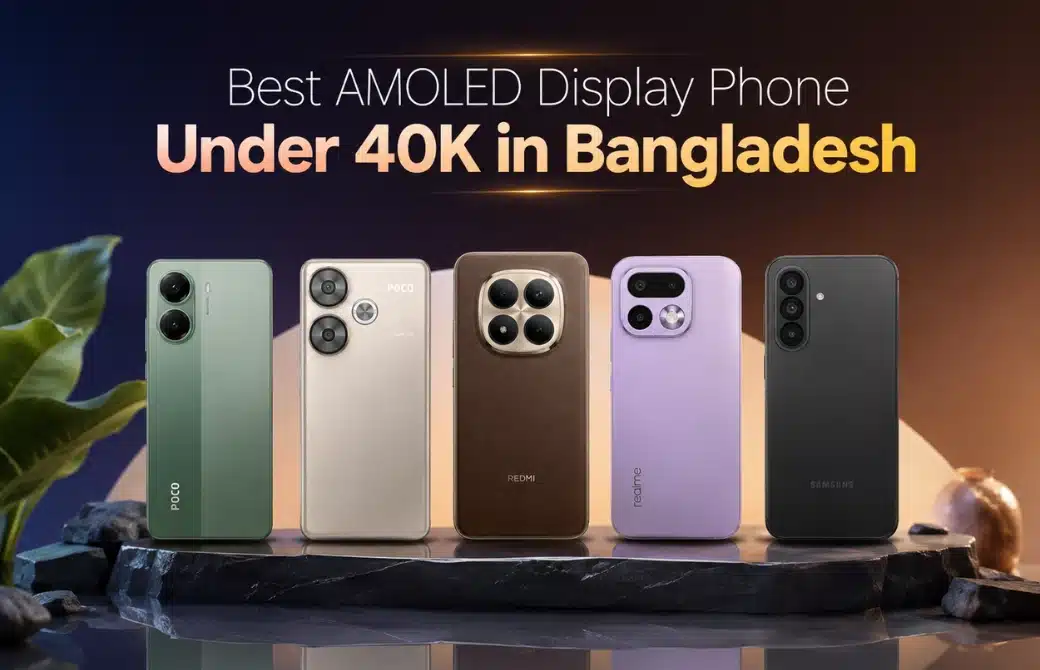
5 Best AMOLED Display Phone Under 40K in Bangladesh (2026)

In greater numbers, people stream Netflix, YouTube, and sports on their smartphones. Yet many users still struggle with wash-out colors and dull LCD displays that spoil the experience. If that sounds familiar, it’s time to upgrade to a smartphone with an AMOLED display.
AMOLED technology uses tiny pixels that light up on their own. An active-matrix system controls each pixel individually, helping the display produce vibrant colors, true blacks, and sharp visuals. The result is deeper blacks, a higher contrast ratio, and richer and vivid colors. These combinations of elements result in wider viewing angles with lower power consumption.
AMOLED panels are also thinner and support some of the most impressive features. These include an always-on display, a butter-smooth, high-refresh-rate up to 144Hz, and impressive peak brightness for clear outdoor visibility.
However, not every AMOLED phone offers the same quality. To help you choose wisely, at Mobile Buzz BD, we have compared the top 5 best AMOLED display smartphones under ৳40,000 in Bangladesh from popular brands like Xiaomi, Samsung, and Realme. We have highlighted each model’s strengths so you can pick the one that’s perfect for you.
Why choose an AMOLED display phone in BD?
Most Bangladeshi users spend 4–7 hours a day looking at their smartphones. Whether you’re streaming, studying, or scrolling, the display affects every interaction. That’s why an AMOLED panel is more than a premium feature: it’s a practical upgrade.
Here are the biggest reasons to choose an AMOLED display phone in Bangladesh:
- Generate True Blacks & Infinite Contrast: Unlike LCD screens that rely on a backlight, AMOLED displays use individual self-emitting pixels. Each pixel can switch off completely when showing black. This creates true blacks and an almost infinite contrast ratio.
- Smooth 120Hz or 144Hz Refresh Rates: Modern AMOLED phones in this price range typically offer 120Hz or even 144Hz refresh rates. The screen refreshes more times every second. This results in smoother scrolling, fluid animations, and a more responsive feel.
- Better Eye Comfort: Many premium AMOLED panels now support high-frequency Pulse Width Modulation (PWM) dimming, such as 1920Hz or 3840Hz. PWM controls brightness by rapidly turning the display’s light source on and off at extremely high speeds. This will adjust the duty cycle to achieve different brightness levels. At higher frequencies, this flicker becomes much less noticeable to the human eye.
- Excellent Outdoor Visibility: Today’s AMOLED smartphones offer high peak brightness and strong performance in High Brightness Mode (HBM). Whether you’re navigating with Google Maps or replying to messages, you can read the display more comfortably.
- In-Display Fingerprint Sensors: AMOLED technology enables under-display fingerprint scanners. Instead of placing the sensor on the side or back, the fingerprint reader sits beneath the screen. It uses optical or ultrasonic technology to quickly unlock the device.
- Better Battery Efficiency: AMOLED displays are naturally more power-efficient because organic light-emitting pixels produce their own light. When paired with efficient chipsets, an AMOLED phone can deliver longer battery life in everyday use.
Quick Pick List and Comparison Table
| Phone | Type | Size | Resolution | PPI | Peak Brightness |
| POCO X7 Pro | AMOLED, 68B Colors | 6.67″ | 1220 × 2712 (1.5K) | 446 | 3200 nits |
| POCO F6 | AMOLED, 68B Colors | 6.67″ | 1220 × 2712 (1.5K) | 446 | 2400 nits |
| Redmi Note 15 Pro Plus | AMOLED, 68B Colors | 6.83″ | 1280 × 2772 (1.5K) | 447 | 3200 nits |
| Realme 16 Pro | AMOLED, 1B Colors | 6.78″ | 1272 × 2772 (1.5K) | 450 | 6500 nits* |
| Samsung Galaxy A37 5G | Super AMOLED | 6.70″ | 1080 × 2340 (FHD+) | 385 | 1900 nits |
Top 5 Best AMOLED Display Phones Under 40K in Bangladesh
1. Poco X7 Pro
Key Display Specs:
- Display: 6.67-inch 1.5K AMOLED
- Resolution: 1220 × 2712 pixels (~446 PPI)
- Refresh Rate: 120Hz Adaptive Refresh Rate
- Color Support: 68 Billion Colors
- Brightness: 1400 nits (HBM), 3200 nits (Peak)
- HDR: HDR10+ & Dolby Vision
- PWM Dimming: 1920Hz High-Frequency PWM
- Protection: Corning Gorilla Glass 7i
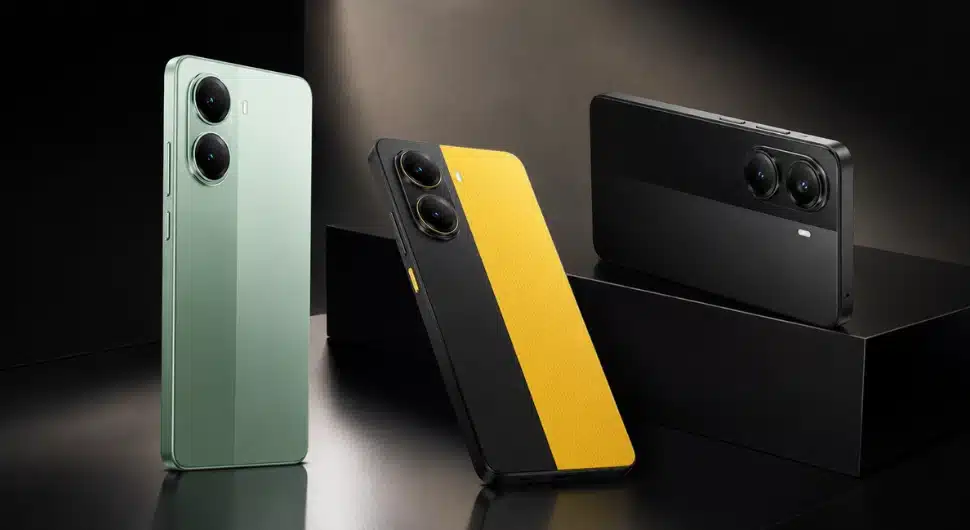
The POCO X7 Pro secures the top spot for its outstanding display that excels in almost every area. Its 6.67-inch 1.5K AMOLED panel delivers crisp details with a sharp 446 PPI pixel density. Support for 68 billion colors, HDR10+, and Dolby Vision produces vibrant colors and deeper blacks. Notably, the display reaches 3,200-nit peak brightness and 1,400 nit in High Brightness Mode. This combination ensures excellent readability even under direct sunlight.
Moreover, the 120Hz refresh rate keeps scrolling and gaming smooth. Also, 1920Hz PWM dimming helps reduce visible flicker at low brightness. Combined with Gorilla Glass 7i and fast UFS 4.0 storage, the POCO X7 Pro delivers one of the best overall multimedia experiences under ৳40,000.
| Pros | Cons |
| Excellent 1.5K AMOLED display with Dolby Vision and HDR10+ | No LTPO technology |
| Outstanding 3200 nits peak brightness for outdoor visibility | Curved display lovers may prefer a curved panel |
| 1920Hz PWM dimming improves low-light viewing comfort | Gorilla Glass 7i is newer but less proven than Victus/Victus 2 |
| Sharp 446 PPI for flagship-grade multimedia experience |
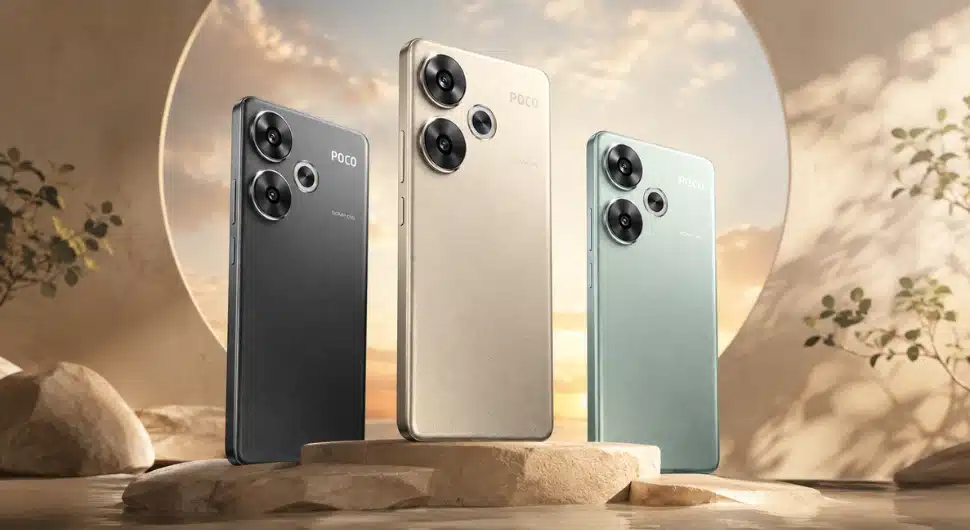
2. Xiaomi Poco F6
Key Display Specs:
- Display: 6.67-inch 1.5K AMOLED
- Resolution: 1220 × 2712 pixels (~446 PPI)
- Refresh Rate: 120Hz Adaptive Refresh Rate
- Color Support: 68 Billion Colors
- Brightness: 1200 nits (HBM), 2400 nits (Peak)
- HDR: HDR10+ & Dolby Vision
- PWM Dimming: 1920Hz High-Frequency PWM
- Protection: Corning Gorilla Glass Victus
The Xiaomi POCO F6 remains one of the best value flagship phones for display lovers under ৳35,000. Its 6.67-inch 1.5K AMOLED display delivers excellent sharpness at 446 PPI. Support for 68 billion colors and Dolby Vision brings rich colors and deeper blacks. The panel reaches 2400 nits peak brightness and 1200 nits HBM, providing good visibility even under bright sunlight.
Notably, the 120Hz refresh rate and 1920Hz PWM dimming ensure smooth scrolling with reduced visible flicker. Paired with the powerful Snapdragon 8s Gen 3 & UFS 4.0 storage, the POCO F6 delivers a premium multimedia and gaming experience.
| Pros | Cons |
| Sharp 1.5K AMOLED display with Dolby Vision and HDR10+ | Lower peak brightness than the previous one |
| Powerful Snapdragon 8s Gen 3 with fast UFS 4.0 storage | The 5000mAh battery is smaller |
| Durable Corning Gorilla Glass Victus protection | No LTPO adaptive refresh rate |
| 512GB storage and Hi-Res stereo speakers |
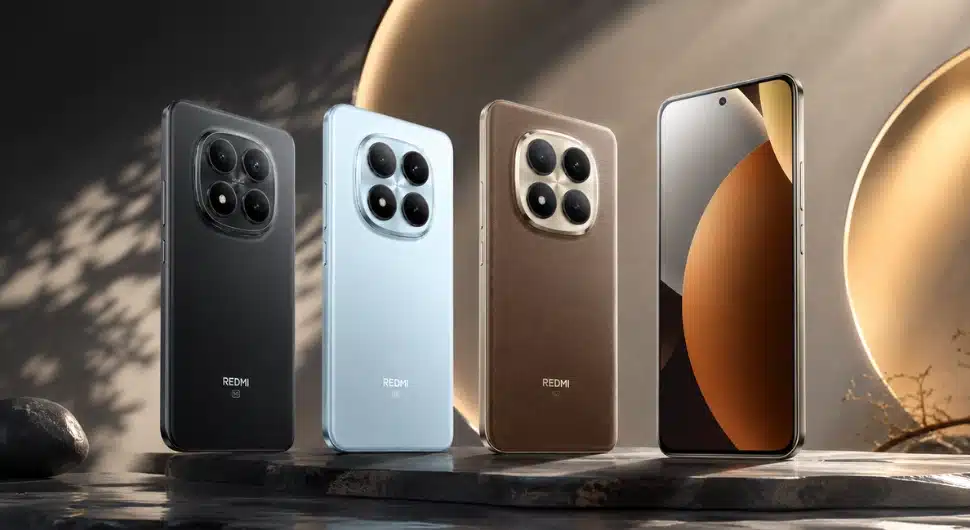
3. Redmi Note 15 Pro Plus
Key Display Specs:
- Display: 6.83-inch 1.5K AMOLED
- Resolution: 1280 × 2772 pixels (~447 PPI)
- Refresh Rate: 120Hz Adaptive Refresh Rate
- Color Support: 68 Billion Colors
- Brightness: 3200 nits (Peak)
- HDR: HDR10+ & Dolby Vision
- PWM Dimming: 3840Hz Ultra High-Frequency PWM
- Protection: Corning Gorilla Glass Victus 2
If you spend hours watching Netflix, YouTube, or reading at night, the Redmi Note 15 Pro Plus has one of the most eye-friendly displays. Its 6.83-inch 1.5K AMOLED panel delivers a sharp 447 PPI resolution and 68 billion colors. Support for HDR10+ and Dolby Vision improves contrast and dynamic range, making HDR content more immersive.
Notably, the display features 3840Hz high-frequency PWM dimming, one of the highest in its class. This minimizes visible flicker while maintaining color accuracy at low brightness. The 3,200 nits of peak brightness also ensure excellent visibility outdoors. However, its UFS 2.2 storage is noticeably slower than the UFS 4.0 storage used by top-ranked competitors.
| Pros | Cons |
| Excellent 1.5K AMOLED display with HDR10+ and Dolby Vision | UFS 2.2 storage is much slower than others |
| 3840Hz PWM dimming improves eye comfort during low-light use | Snapdragon 7s Gen 4 is less powerful |
| Gorilla Glass Victus 2 offers excellent display protection | |
| Large 6.83-inch display with 3200 nits peak brightness |
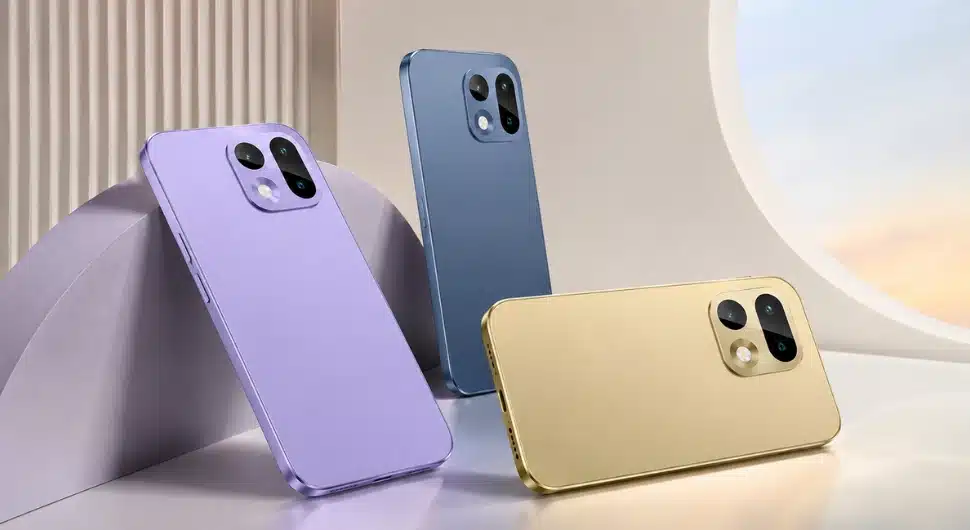
4. Realme 16 Pro
Key Display Specs:
- Display: 6.78-inch 1.5K AMOLED
- Resolution: 1272 × 2772 pixels (~450 PPI)
- Refresh Rate: 144Hz
- Color Support: 1 Billion Colors
- Brightness: 1000 nits (Typical), 1400 nits (HBM), 6500 nits (Peak)
- HDR: HDR10+
- Protection: AGC DT Star D+ (Mohs Level 6)
The Realme 16 Pro stands out with one of the smoothest and brightest displays in this segment. Its 6.78-inch 1.5K AMOLED panel delivers exceptional sharpness with 450 PPI pixel density. Additionally, support for 1 billion colors produces natural color transitions and vibrant visuals. Remarkably, the display offers a 144Hz refresh rate, making scrolling butter-smooth.
This display also supports HDR10+ for enhanced contrast when watching compatible content. Realme advertises an impressive 6500 nits peak brightness, ensuring the screen remains readable in strong sunlight. Backed by a 7000mAh silicon-carbon battery and 80W fast charging, the Realme 16 Pro offers long battery life and a smooth display.
| Pros | Cons |
| Smooth 144Hz 1.5K AMOLED display with excellent 450 PPI sharpness | No Dolby Vision support |
| 1 billion colors provide rich and accurate color reproduction | Dimensity 7300 Max trails flagship-class chipsets |
| Massive 7000mAh battery offers outstanding endurance | UFS 3.1 is slower than UFS 4.0 storage |
| Large display with strong outdoor visibility and stereo speakers |
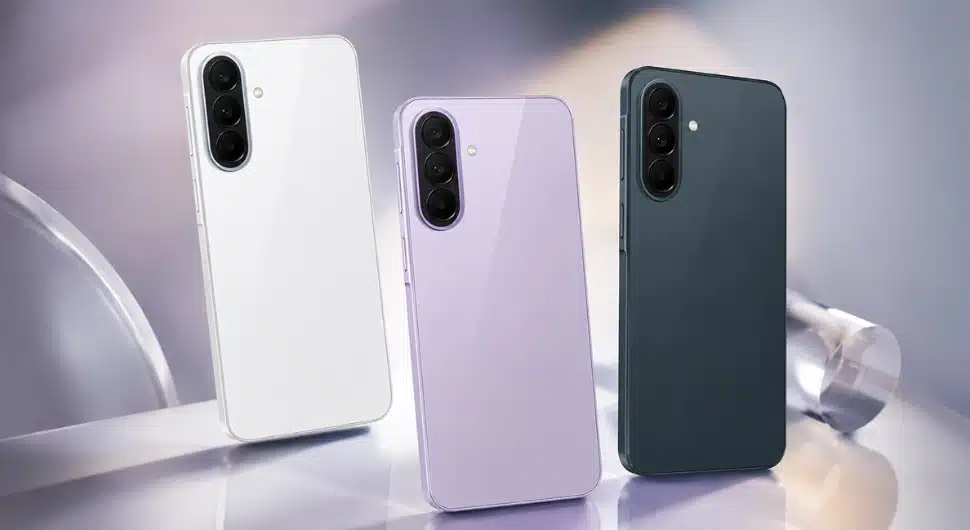
5. Samsung Galaxy A37 5G
Key Display Specs:
- Display: 6.7-inch Super AMOLED
- Resolution: 1080 × 2340 pixels (FHD+) (~385 PPI)
- Refresh Rate: 120Hz
- Brightness: 1200 nits (HBM), 1900 nits (Peak)
- HDR: HDR Streaming Support
- Protection: Corning Gorilla Glass Victus+
Samsung produces some of the best AMOLED displays, and the Galaxy A37 5G continues that tradition. Its 6.7-inch Super AMOLED panel delivers rich colors, deep blacks, and excellent viewing angles. Additionally, the 120Hz refresh rate makes scrolling smooth. Also, the 1200 nits HBM and 1900 nits peak brightness provide superior visibility in direct sunlight.
Although its FHD+ resolution (385 PPI) is lower than 1.5K panels, Samsung’s color calibration ensures natural-looking images. The display is further protected by Corning Gorilla Glass Victus+, which resists everyday scratches and drops. Combined with Samsung’s polished OneUI software, the Galaxy A37 5G delivers a reliable, refined media-viewing experience.
| Pros | Cons |
| Excellent Super AMOLED display with Samsung’s renowned color calibration | FHD+ resolution is less sharp |
| Smooth 120Hz refresh rate with good outdoor visibility | Lower 385 PPI pixel density |
| Durable Corning Gorilla Glass Victus+ protection | No Dolby Vision support |
| Reliable One UI software experience with strong long-term update support |
Display Feature Comparison Matrix
| Feature | POCO X7 Pro | POCO F6 | Redmi Note 15 Pro Plus | Realme 16 Pro | Samsung Galaxy A37 5G |
| Brightness Level | ⭐⭐⭐⭐⭐
3200 nits Peak |
⭐⭐⭐⭐☆
2400 nits Peak |
⭐⭐⭐⭐⭐
3200 nits Peak |
⭐⭐⭐⭐⭐
6500 nits Peak* |
⭐⭐⭐☆☆
1900 nits Peak |
| Color Accuracy | ⭐⭐⭐⭐⭐
68B Colors |
⭐⭐⭐⭐⭐
68B Colors |
⭐⭐⭐⭐⭐
68B Colors |
⭐⭐⭐⭐☆
1B Colors, |
⭐⭐⭐☆☆
Samsung calibration |
| Outdoor Visibility | ⭐⭐⭐⭐⭐
Excellent |
⭐⭐⭐⭐☆
Very Good |
⭐⭐⭐⭐
Outstanding |
⭐⭐⭐⭐⭐
Excellent |
⭐⭐⭐⭐☆
Good |
| Eye Comfort | ⭐⭐⭐⭐☆
1920Hz |
⭐⭐⭐⭐☆
1920Hz |
⭐⭐⭐⭐
3840Hz |
⭐⭐⭐☆☆
DC dimming |
⭐⭐☆☆☆
240 Hz |
| Protection | ⭐⭐⭐⭐☆
Gorilla Glass 7i |
⭐⭐⭐⭐⭐
Gorilla Glass Victus |
⭐⭐⭐⭐⭐
Gorilla Glass Victus 2 |
⭐⭐⭐⭐☆
AGC DT Star D+ |
⭐⭐⭐⭐⭐
Gorilla Glass Victus+ |
Note: The Realme 16 Pro’s 6500 nits peak brightness is an advertised local peak value measured under specific HDR conditions. In everyday outdoor use, its 1400-nit High Brightness Mode (HBM) is the more relevant figure for comparing screen visibility with other phones.
AMOLED Display Phone Buying Guide
A great AMOLED screen is more than just vibrant colors. Resolution, brightness, HDR support, and display protection all affect your daily experience. Understanding the following features helps you choose a phone that matches your needs:
FHD+ vs 1.5K Resolution
Screen resolution determines how sharp everything looks, from text and photos to videos and games.
- FHD+ (1080p) is the sweet spot for most users. It delivers crisp visuals, uses less power, and improves battery life during everyday use.
- 1.5K (around 1200p to 1280p) packs more pixels into the same display. This produces noticeably sharper text, finer image details, and clearer HDR content. The trade-off is a small increase in battery consumption, although modern 4nm processors minimize the difference.
Choose FHD+ if battery life and value matter most. Otherwise, choose 1.5K if you stream, game, edit photos, or simply want the sharpest display possible.
Peak Brightness vs HBM
Brightness figures can be confusing because manufacturers often advertise the highest number available.
- Peak brightness is the maximum brightness a small portion of the display can reach while showing HDR highlights. It mainly improves HDR movies and supported content.
- High Brightness Mode (HBM) is the sustained brightness your phone uses outdoors under direct sunlight. This is the figure that determines real-world screen visibility.
For daily use in Bangladesh, HBM is usually more important than peak brightness. This is because it reflects how readable the display remains on sunny days.
HDR10+ vs Dolby Vision
Both technologies improve HDR video by increasing contrast, color, and dynamic range, but they work in different ways.
HDR10+
- Open-standard HDR format
- Dynamically adjusts brightness and contrast scene by scene
- Widely supported across Android devices and streaming platforms
- Excellent for YouTube HDR and compatible video content
Dolby Vision
- Premium proprietary HDR format
- Supports up to 12-bit color depth, although current smartphone panels are generally 10-bit
- Offers more advanced scene-by-scene metadata for improved tone mapping
- Commonly supported by Netflix and other premium streaming services
If a phone supports both HDR10+ and Dolby Vision, you’ll enjoy the broadest HDR compatibility across different platforms.
120Hz vs 144Hz Refresh Rate
The refresh rate determines how many times the screen updates per second.
- 120Hz is the ideal balance for most users. It delivers smooth scrolling, responsive animations, enjoyable gaming, and better battery efficiency.
- 144Hz is a niche upgrade aimed mainly at competitive mobile gamers. It makes supported games feel slightly smoother, but the difference is modest during everyday browsing and video playback.
For most buyers, 120Hz is already excellent. Choose 144Hz only if you play high-frame-rate games and want every possible advantage.
PWM Dimming
Unlike LCD panels, AMOLED displays control brightness using Pulse Width Modulation (PWM). In PWM, the display’s pixels are turned on and off at very high speeds, adjusting the duty cycle accordingly.
Higher PWM frequencies, such as 1920Hz or 3840Hz, minimize flicker and may reduce eye discomfort during prolonged use. If you frequently use your phone at night, a high-frequency PWM dimming display can provide better viewing comfort.
Curved vs Flat Display
The choice between a curved and flat display depends on your priorities. A curved display offers a more premium look, slimmer bezels, and a slightly more immersive viewing experience. In contrast, a flat display is more practical for everyday use. It is easier to protect with tempered glass, which reduces accidental edge touches and usually costs less to repair.
Display Protection
A beautiful display should also be durable. Premium phones often feature Corning Gorilla Glass Victus, Victus+, or Victus 2, which protects from scratches and accidental drops.
Modern AMOLED phones also include built-in burn-prevention features. These software techniques subtly shift interface elements, optimize Always-On Display behavior, and manage static content. This will reduce the risk of long-term permanent image retention.
For long-term reliability, look for a phone that combines robust glass protection with effective burn-in prevention.
Common Mistakes Buyers Make
Many buyers focus on one flashy specification and overlook the features that matter in everyday use. A brighter screen or a higher refresh rate may look impressive on paper. But it doesn’t always guarantee a better viewing experience.
Here are some common mistakes to avoid before buying an AMOLED display phone under 40k BDT:
Buying Only Based on Peak Brightness
A phone with 3200 nits peak brightness is not always brighter or sharper than one with 2400 nits in daily use. Peak brightness applies only to a small part of the screen when displaying HDR content. For outdoor visibility, High Brightness Mode (HBM) is the more important specification. This shows how bright the display remains under direct sunlight. Always compare both HBM and peak brightness instead of focusing on a single number.
Ignoring Resolution
Not every AMOLED display offers the same sharpness. Some buyers assume all AMOLED panels look identical, but FHD+ and 1.5K displays provide different levels of detail. A 1.5K screen produces sharper text, clearer images, and more detailed videos. If you spend a lot of time reading or watching movies, a higher resolution can make a big difference.
Assuming 144Hz Is Always Better
A 144Hz refresh rate sounds impressive, but it isn’t always the right choice for everyone. Most apps, videos, and games feel extremely smooth at 120Hz. In many cases, you won’t notice a major difference during everyday scrolling or streaming. A well-optimized 120Hz AMOLED display is often better at balancing performance with battery life.
Ignoring Display Protection
Display quality isn’t only about color and brightness. Durability matters as much. A phone with Corning Gorilla Glass Victus, Victus+, or Victus 2 offers better protection against scratches and accidental drops. Replacing a damaged AMOLED panel can be expensive, so stronger display protection can help reduce repair costs.
Final Verdict
A great AMOLED display is more than just high brightness or a fast refresh rate. Resolution, HDR support, color accuracy, eye comfort, and display protection all work together to create a better viewing experience. The right choice depends on how you use your phone every day.
- Choose the POCO X7 Pro if you want the most complete AMOLED display under ৳40,000. Its 1.5K AMOLED panel makes it the best all-around choice.
- Choose the POCO F6 if flagship-level performance is your top priority. It combines a sharp 1.5K AMOLED display for gamers and power users.
- Choose the Redmi Note 15 Pro Plus if you watch plenty of HDR content and often use your phone at night.
- Choose the Realme 16 Pro if you want the longest battery life alongside a large, smooth display.
- Choose the Samsung Galaxy A37 5G if you prefer Samsung’s trusted Super AMOLED color tuning.
No matter which phone you choose, focus on the overall display experience instead of a single specification. At Mobile Buzz BD, we regularly compare and evaluate the latest smartphones available in Bangladesh. Our goal is to help you choose the right device based on overall performance and user experience, not just impressive numbers.
FAQs
Is a 1.5K AMOLED display better than a Full HD+ AMOLED?
Yes, in most cases. A 1.5K AMOLED display offers a higher pixel density than a Full HD+ AMOLED panel. The difference is particularly noticeable when reading small text or watching high-resolution content.
Is Dolby Vision better than HDR10+?
Neither is universally better; they’re both excellent HDR formats. HDR10+ is an open standard that dynamically adjusts brightness and contrast scene by scene. Dolby Vision is a premium proprietary format that uses more advanced dynamic metadata and supports up to 12-bit color depth.
What is PWM dimming, and why is it important?
PWM (Pulse Width Modulation) dimming is a method AMOLED displays use to control brightness. They do it by rapidly turning the screen’s pixels on and off at very high speeds. This reduces eye discomfort for users, especially when using the phone at low brightness.
Does 3200 nits peak brightness make a noticeable difference?
Yes, but mostly when viewing HDR content. A 3200-nit peak brightness allows a small part of the display to reach extremely bright levels. This makes HDR movies, videos, and photos look more realistic.