iPhone 14 and iPhone 15 Users Get Good News: Free Satellite Emergency SOS Extended Until 2026

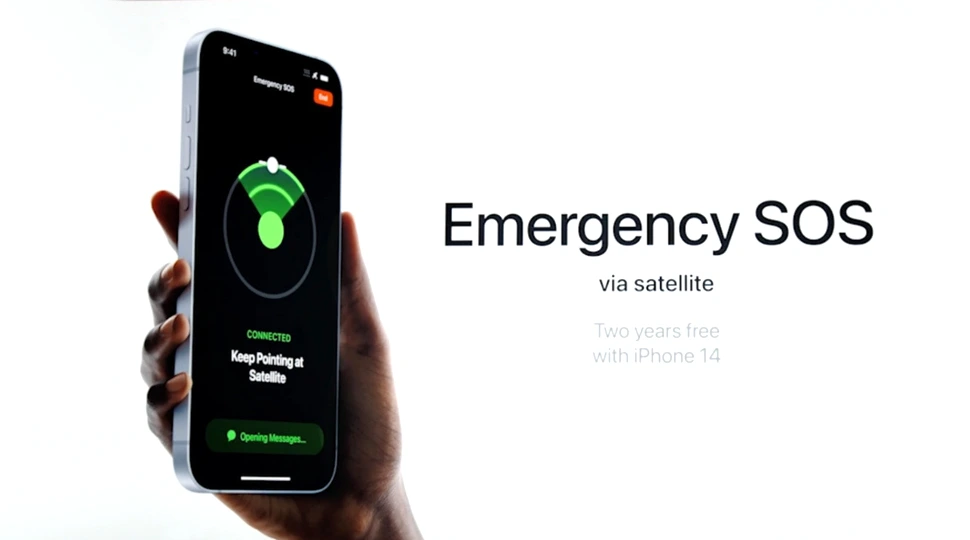
Apple has brought exciting news for iPhone users. Owners of the iPhone 14 and iPhone 15 will continue to enjoy the satellite-based Emergency SOS feature free of charge for another year. With this extension, users of both models will now have access to the life-saving feature until November 2026 without paying any fees.
How Does Emergency SOS via Satellite Work?
Emergency SOS via satellite is a unique feature designed to keep users connected even when traditional communication networks are unavailable.
- If cellular and Wi-Fi signals are out of range, iPhones can connect directly to a satellite to send emergency messages.
- This ensures that users in remote mountains, deep forests, at sea, or disaster-hit areas can reach out for help.
- The feature has already proven its effectiveness by helping rescue teams save multiple lives in real-world incidents.
New Features and Future Possibilities
Apple is not stopping with just iPhones. The company is gradually expanding satellite connectivity to more of its ecosystem:
- The newly launched Apple Watch Ultra 3 also comes with satellite support.
- Future Apple devices such as iPads and MacBooks are expected to include similar capabilities.
- Experts believe that upcoming updates could introduce:
- Location sharing and live tracking via satellite, so rescuers can pinpoint users faster.
- Satellite-based voice calling and two-way text messaging, making off-grid communication even more seamless.
Where Is the Service Available?
Currently, Emergency SOS via satellite is available in 17 countries, including:
- United States
- United Kingdom
- Canada
- Germany
- France
Apple has also hinted at expanding the service to more countries in the coming years to reach a wider audience.
Strategic Importance for Apple
Industry analysts see this extension as a strategic move by Apple:
- It strengthens customer trust and satisfaction.
- It boosts Apple’s brand value in an increasingly competitive smartphone market.
- It gives Apple time to prepare a sustainable business model, possibly through future subscription-based plans.
What Happens After 2026?
As of now, Apple has not disclosed how much the service will cost after the free period ends in November 2026. However, many analysts believe the company may launch dedicated subscription packages or bundle the service with premium offerings like Apple One.
Why This Matters
For iPhone 14 and iPhone 15 users, this is undoubtedly a reassuring update. Beyond extending free access, it highlights Apple’s broader vision: bringing satellite connectivity to more devices and making sure users stay connected — no matter where they are.
With future expansions such as real-time tracking, two-way satellite messaging, and even voice calls, Apple is setting the stage for a new era of communication beyond traditional mobile networks.
iPhone 14 & iPhone 15 Satellite Emergency SOS – FAQ
-
What is Emergency SOS via Satellite?
Emergency SOS via satellite is a feature that allows iPhones to send emergency messages even when cellular and Wi-Fi networks are unavailable. By connecting directly to satellites, users in remote areas like mountains, forests, or at sea can reach out to rescuers.
-
How long will iPhone 14 and iPhone 15 users get it for free?
Apple has extended the free service until November 2026. Users of iPhone 14 and iPhone 15 can continue using the feature without paying any fees until then.
-
Has Emergency SOS via satellite already saved lives?
Yes ✅. The feature has been successfully used in real-world emergencies, where stranded users were able to connect with rescue teams and get help in time.
-
Which countries currently support Emergency SOS via satellite?
The service is available in 17 countries, including:
- United States
- United Kingdom
- Canada
- Germany
- France
Apple has plans to expand to more countries in the future.
-
Will other Apple devices get satellite support?
Yes. Apple is gradually bringing this feature to more products:
- Apple Watch Ultra 3 already includes satellite connectivity.
- Future iPads and MacBooks are expected to support it.
-
What new features may come in the future?
Experts predict:
- Location sharing and live tracking for faster rescues.
- Two-way satellite messaging beyond just emergencies.
- Voice calls over satellite, making communication more seamless in off-grid areas.
-
Why did Apple extend this service for free?
Industry analysts believe this is a strategic move by Apple to:
- Strengthen customer trust and loyalty.
- Enhance brand value in a competitive smartphone market.
- Allow time to develop a sustainable paid model for the future.
-
What happens after November 2026?
Apple has not yet revealed pricing. However, analysts expect Apple might:
- Introduce a subscription plan specifically for satellite services.
- Bundle it into premium offerings such as Apple One.
-
Why is this extension important for users?
It reassures iPhone owners that they can stay connected in emergencies anytime, anywhere. It also signals Apple’s long-term vision of expanding satellite technology across devices and redefining communication beyond traditional mobile networks.