
Best Redmi Phones for Photography in Bangladesh 2026

Ever wondered why a Redmi phone with a 50MP camera sometimes takes better photos than one with a 200MP sensor? The answer isn’t in the numbers; it’s in the technology working behind the scenes. Redmi smartphones have an excellent reputation for flagship/smartphone camera quality, and for good reason. At any price tier, they can afford and integrate better sensors, refine their image processing, and equip their devices with AI features.
Most improved AI features handle portrait capturing and even cinematic videos better than ever. Because of this, deciding on the best Redmi camera phone becomes subjective and depends on preferences for landscape/cinematic selfie capture. In the following, we evaluate the best capture options Redmi offers
Why Camera Specifications Don’t Tell the Whole Story
Megapixels are only a small portion of what makes a smartphone camera good. Sensor quality and size, image processing and stabilization, and software all contribute to the quality of images and videos captured by the smartphone. Knowing these factors will help you select the best Redmi option that delivers the best real-world images and videos, rather than the one with the best specifications.
Sensor Size vs Megapixels
Having more megapixels doesn’t mean a camera can take better pictures. A flagship camera with a 50MP count usually has a larger sensor. This helps the camera capture more light and less noisy images. Because of these factors, flagship models perform better in low light. On the other hand, mid-range cameras with 200MP counts use smaller sensors and software to achieve that count. Due to these differences, flagship models typically offer better color and a broader overall range. Because of this, flagship models are generally better at capturing images and portraits.
Image Processing Matters
One major factor in photo quality is how the image is processed. Redmi uses more advanced AI processing, including sharpening, exposure adjustments, and automatic scene recognition. Features like HDR (high dynamic range) help the camera capture detail in both the darkest and brightest regions of a photo. Redmi phones also feature advanced color processing, improving color accuracy and making photos look more natural. Noise is also minimized in low-light pictures and isn’t as pronounced. Especially in low-light images, the software enhancements in Redmi processing are more important to overall photo quality than resolution or megapixel count.
OIS vs EIS
Many people prioritize camera resolution when buying a phone, but image stabilization matters more. With Optical Image Stabilization (OIS), the camera hardware actively compensates for camera shake to minimize shake in photos and videos. This system is especially useful for capturing video and photos in low-light conditions, where the camera has to use a slow shutter speed. In contrast, Electronic Image Stabilization (EIS), a software solution, cannot match the consistency of OIS. Thus, a phone with great stabilization and a mediocre camera will likely outperform a high-resolution camera with poor stabilization.
Quick Camera Comparison
| Phone | Main Camera | Ultra-wide | Telephoto | Selfie | Video Recording |
| Redmi K90 Ultra | 50MP, f/1.7, OIS | 8MP, 120° | N/A | 20MP | 8K@30fps, 4K@60fps, HDR10+, Gyro-EIS |
| Redmi K90 Pro Max | 50MP, f/1.6, OIS | 50MP, 115° | 50MP Periscope, 5× Optical Zoom, OIS | 20MP | 8K@30fps, 4K@60fps, Dolby Vision, Gyro-EIS |
| Redmi K80 Pro | 50MP, f/1.6, OIS | 32MP, 120° | 50MP Telephoto, 2.5× Optical Zoom, OIS | 20MP | 8K@24fps, 4K@60fps, Gyro-EIS |
| Redmi Note 15 Pro | 200MP, f/1.7, OIS | 8MP, 120° | N/A | 32MP | 1080p@60fps, Gyro-EIS |
| Redmi Note 14 Pro 5G | 200MP, f/1.7, OIS | 8MP, 120° | 2MP Macro | 20MP | 4K@30fps, 1080p@60fps, Gyro-EIS |
Our Top Redmi Camera Picks
Different models across the Redmi series are defined by different selling points, such as flagship-level photo quality, a professional zoom lens, and low-light performance. Redmi phones are known for their impressive performance in photography, video, processing, and editing, but we’ll go through which phone models line up best with your shooting style and budget.
1. Redmi K90 Ultra
The Redmi K90 Ultra captures the title of best Redmi camera for a reason. It offers the best camera experience. The main sensor captures detail and color with great dynamic range. It does this in almost all lighting scenarios. The K90 Ultra’s large sensor, combined with some OIS, creates great images even in low-light scenarios. The K90 Ultra uses HDR to create images with consistent, well-balanced lighting across both low-light and highlight areas. It even does well in video. The K90 Ultra captures stable, clear videos with strong OIS and excellent autofocus. This is one of the best cameras for travel, vlogging, and other content. If you’re looking for the best overall Redmi camera, definitely go for the K90 Ultra.

Camera Highlights
- Main Camera: 50MP wide camera with OIS.
- Ultra-Wide Camera: 8MP
- Telephoto Camera: Not available
- Selfie Camera: 20MP
- Rear Video: Up to 8K at 30fps and 4K at 60fps with Gyro-EIS
- Front Video: Up to 1080p at 60fps
| Pros | Cons |
| Excellent flagship image quality | No dedicated telephoto camera |
| Outstanding HDR and color accuracy | An ultra-wide camera is less versatile |
| Reliable low-light photography with OIS | Digital zoom can’t match optical zoom |
2. Redmi K90 Pro Max
The Redmi K90 Pro Max is the best choice for zoom photography. This phone has a unique 50MP periscope telephoto lens that makes shooting distant subjects easier, and the photos look great. The 50MP main camera and the ultra-wide lens expand the camera system’s versatility. It makes shooting portraits, landscapes, travel, and even professional videos easier. The K90 Pro Max is the best choice if you want the best Xiaomi camera.

Camera Highlights
- Main Camera: 50MP Wide with OIS
- Ultra-Wide Camera: 50MP Ultra-Wide
- Telephoto Camera: 50MP Periscope Telephoto with 5× Optical Zoom and OIS
- Selfie Camera: 20MP
- Rear Video: Up to 8K at 30fps and 4K at 60fps with Gyro-EIS
- Front Video: Up to 1080p at 60fps
| Pros | Cons |
| Outstanding 5× optical zoom | Premium pricing |
| Versatile triple 50MP camera system | The front camera is average for a flagship |
| Excellent portraits and long-range shots |
3. Redmi K80 Pro
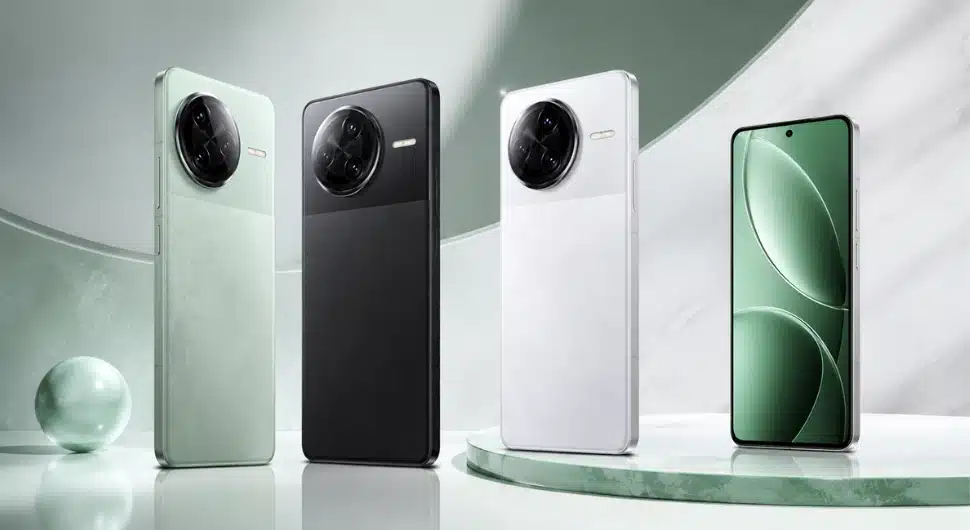
The Redmi K80 Pro is a good pick for those who love capturing portraits and close-up images. It has a separate 50MP telephoto camera for creating natural background blur and retaining face detail better than digital zoom. The 50MP primary camera takes clear, well-balanced photographs, while the 32MP ultra-wide lens is great for landscapes and group shots. The K80 Pro consistently delivers excellent results, whether you’re shooting people, architecture, or everyday scenes.
Camera Highlights
- Main Camera: 50MP Wide with OIS
- Ultra-Wide Camera: 32MP Ultra-Wide
- Telephoto Camera: 50MP Telephoto with 2.5× Optical Zoom and OIS
- Selfie Camera: 20MP
- Rear Video: Up to 8K at 24fps and 4K at 60fps with Gyro-EIS
- Front Video: Up to 1080p at 60fps
| Pros | Cons |
| Excellent portrait photography | Telephoto zoom is shorter than periscope cameras |
| Sharp and consistent image quality | No 8K 30fps video recording |
| High-quality ultra-wide camera |
4. Redmi Note 15 Pro
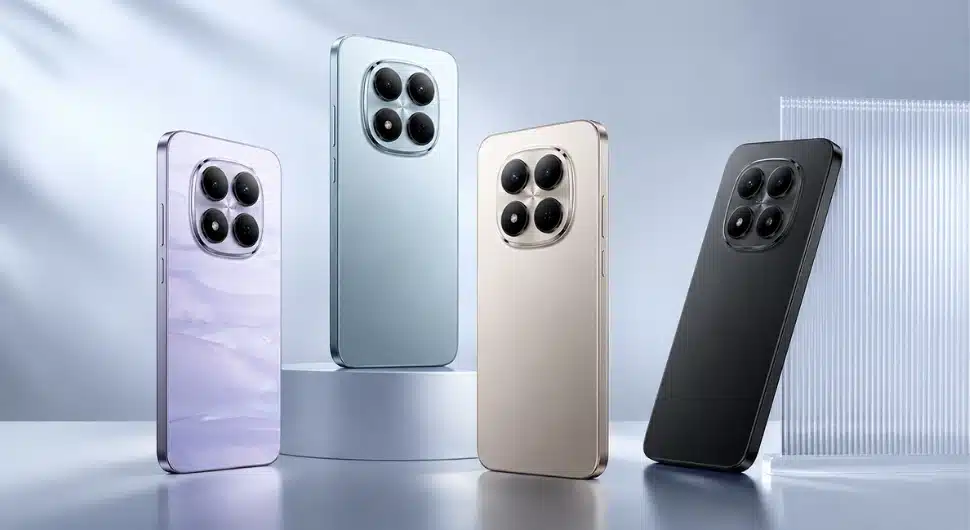
The Redmi Note 15 Pro is proof that great photos don’t need a flagship budget. The 200MP main camera captures great detail in good lighting. It has OIS, so pictures are less likely to be blurred from hand shaking. The camera captures bright, well-defined colors, balances highlights well, and can be relied on for daily photos, portraits, and social media photos. The Redmi Note 15 Pro is a great choice for a mid-range phone with a high-res camera.
Camera Highlights
- Main Camera: 200MP Wide with OIS
- Ultra-Wide Camera: 8MP Ultra-Wide
- Telephoto Camera: Not Available
- Selfie Camera: 20MP
- Rear Video: Up to 4K at 30fps with Gyro-EIS
- Front Video: Up to 1080p at 60fps
| Pros | Cons |
| Excellent 200MP detail capture | No dedicated telephoto camera |
| Reliable daylight photography | The ultra-wide camera is average |
| Great value for the price |
5. Redmi Note 14 Pro 5G
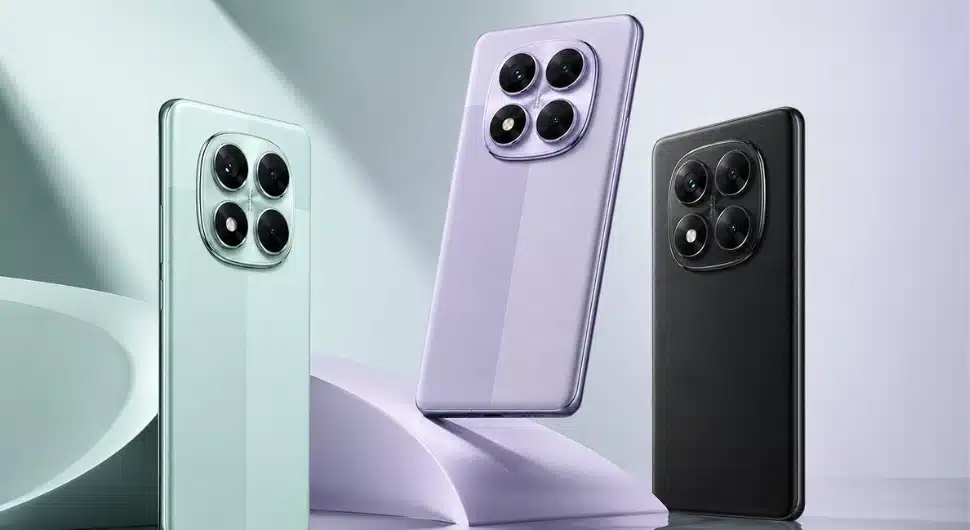
The Redmi Note 14 Pro 5G is a good option for people who want a smartphone with a good camera at a reasonable price. The main camera has 200MP and captures photos with great detail. The camera has optical image stabilization (OIS) to improve photos taken in low light. The photos are color-rich and show good HDR. The quality of the photos is good for daily and casual photography, and is a good smartphone with a camera for posting social media content and is good for taking family and nature photos.
Camera Highlights
- Main Camera: 200MP Wide with OIS
- Ultra-Wide Camera: 8MP Ultra-Wide
- Macro Camera: 2MP Macro
- Selfie Camera: 20MP
- Rear Video: Up to 4K at 30fps with Gyro-EIS
- Front Video: Up to 1080p at 60fps
| Pros | Cons |
| Excellent camera for the price | No dedicated telephoto lens |
| Sharp 200MP main camera with OIS | The macro camera has limited usefulness |
| Reliable HDR and daylight performance |
Camera Features That Actually Matter
Camera specs only provide limited details. Photo quality is dependent on how the camera processes colors, light, and motion. These elements are what actually make the difference when deciding to purchase a Redmi camera phone.
Main Camera
A great camera will be able to capture a wide range of light and dark to show details in both. It will also capture good, natural colors and remain sharp in all lighting conditions. Good cameras are actually good on the outside, also. You want the camera you use most to be of high quality. However, you are focusing on more than just the camera’s megapixel count.
Ultra-Wide Camera
The ultra-wide camera has a much wider field of view and is great for landscapes, city skylines, architecture, and travel photography. It lets you get more into a single frame without having to back up. Higher-quality ultra-wide cameras also maintain edge sharpness and color consistency better than the main camera.
Telephoto Zoom
One of the biggest advantages of flagship Redmi phones is a dedicated telephoto lens. Optical zoom maintains image quality when shooting distant subjects, unlike digital zoom. It is also good for portrait photography as it provides more natural facial proportions and better background separation. If you do a lot of portraits or use Zoom, a telephoto lens is a great upgrade.
Selfie Camera
A good selfie camera is not simply about megapixels. It needs to render natural skin tones, handle HDR well in bright backgrounds, and keep faces in focus in a variety of lighting conditions. If you’re someone who’s on video calls often or making content for Instagram, Facebook, TikTok, or YouTube, a good front camera will help you out a bunch.
Video Recording
Stabilization is often more important than resolution for video. Features such as optical image stabilization (OIS) and Gyro-EIS help reduce camera shake and deliver smoother footage when walking or recording handheld. 4K recording support will allow for greater detail, and good microphone quality will ensure your voice is clear without too much background noise.
Redmi Camera Tips to Capture Better Photos
Having a good camera takes more than just high resolution. Good lighting, clean lenses, and good patterns when taking photos matter too. Use HDR when the photos show good contrast, and only use night mode in dark settings. When taking a photo, try to position the object in the center by enabling grid lines. Avoid zooming in on photos to maintain quality. Using a few of these hacks can help users of any Redmi phone show off their photography skills.
Final Verdict
The best Redmi camera phone for you depends on how you shoot. The Redmi K90 Pro Max is the best choice for Zoom and flagship versatility. Redmi K80 Pro is better for portrait and balanced photography. The Redmi K90 Ultra is a decent all-rounder in terms of camera performance, particularly in video and low-light. The Redmi Note 15 Pro and Redmi Note 14 Pro 5G continue to offer high-resolution main cameras that capture great detail for budget-conscious buyers. Overall, Redmi offers solid camera options across the flagship and mid-range price points.
Frequently Asked Questions
Which Redmi phone has the best camera?
The Redmi K90 Pro Max has the best overall camera system. It combines a 50MP main camera, a 50MP ultra-wide lens, and a 50MP periscope telephoto camera with 5× optical zoom, making it the most versatile option for photography and video.
Is a 200MP camera better than a 50MP camera?
Not always. A well-optimized 50MP flagship camera with a larger sensor and better image processing can produce sharper, more natural photos than a 200MP sensor. Sensor quality, OIS, and image processing have a bigger impact on photo quality than megapixels alone.
Which Redmi phone is best for video recording?
The Redmi K90 Ultra is the best choice for video recording. It supports up to 8K recording, offers excellent stabilization, strong HDR performance, and reliable autofocus, making it ideal for vlogging and content creation.
Which Redmi phone is best for selfies?
The Redmi K90 Pro Max is the best Redmi phone for selfies. Its front camera captures sharp details, natural skin tones, and balanced HDR, making it a great choice for selfies, video calls, and social media content.