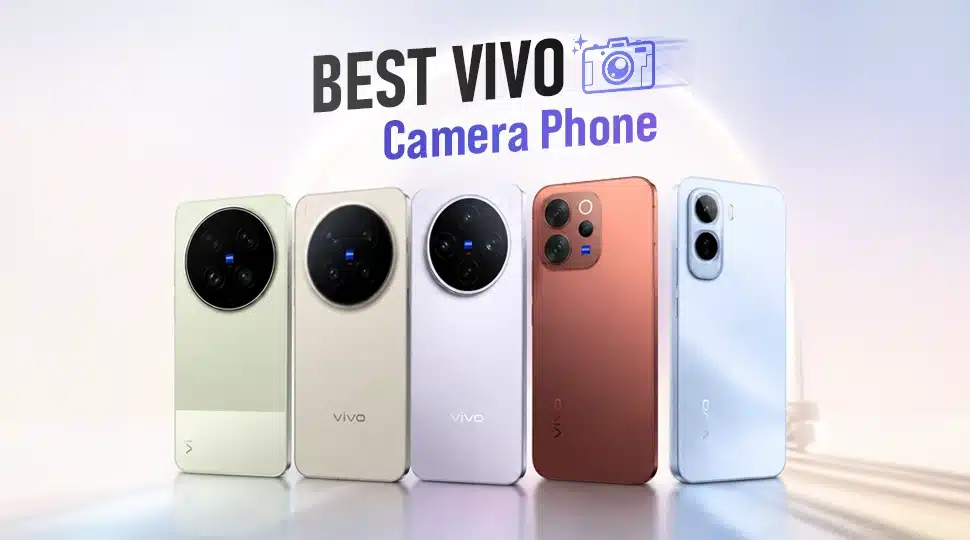
Best Vivo Camera Phone

A phone can have multiple camera sensors and advanced specifications and still fail to capture the shot you expected. So which Vivo phone actually takes the best photos when it matters most?
Over the last few years, Vivo has quietly become one of the top brands for mobile photography. Vivo has a whole lot of camera-centric options throughout every price spectrum, from expensive X-series devices with powerful ZEISS-powered camera systems to more budget-friendly V-series phones for selfies and everyday photography.
Choosing the best Vivo camera phone can be quite a task if you are someone who loves to snap photos for Snapchats, create material for social media, film videos, or just document regular occurrences.
Here is the recommendation for the best camera phones from Vivo in 2026. We’ll break down their strengths in photography, video recording, portrait shots, low-light performance, and overall camera experience to help you pick the best smartphone for your needs.
Our Top Picks for the Best Vivo Camera Phones
Quick Comparison Table
| Phone | Camera Highlight | Rear Camera Setup | Selfie Camera |
| Vivo X300 Ultra | Best Camera Overall | 50MP Main + 50MP Ultrawide + 200MP Periscope Telephoto | 50MP |
| Vivo X300 Pro | Best for Portrait Photography | 50MP Main + 50MP Ultrawide + 200MP Periscope Telephoto | 32MP |
| Vivo X200T | Best Value Flagship Camera | 50MP Main + 50MP Ultrawide + 50MP Telephoto | 32MP |
| Vivo V70 Elite | Best Premium Mid-Range Camera | 50MP Main + 50MP Ultrawide + 50MP Telephoto | 50MP |
| Vivo V70 | Best Selfie Camera | 50MP Main + 50MP Ultrawide | 50MP |
| Vivo T5 Pro | Best Performance & Camera Balance | 50MP Main + 8MP Ultrawide | 32MP |
| Vivo V50 Lite | Best Budget Camera Phone | 50MP Main + 2MP Depth | 32MP |
Best Vivo Phones for Photography in 2026
Vivo X300 Ultra
| Pros | Cons |
| Outstanding zoom photography quality | The large camera module adds bulk |
| Excellent low-light image processing | Occasional warmth during heavy workloads |
| Consistent flagship-level performance |
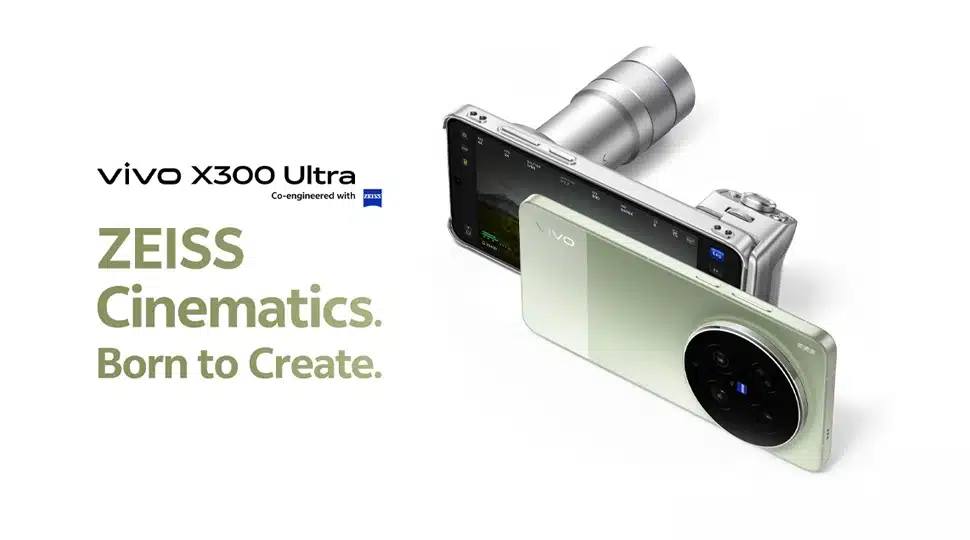
Leading the way in Vivo’s photography portfolio is the Vivo X300 Ultra, which is arguably one of the most proficient camera phones in the market today. It has a strong ZEISS-tuned camera system, which gives superb results in just about any shooting situation, from daylight landscapes and portraits to low-light work and long-range zoom images. What impressed me most was the phone’s ability to churn out good shots in all lighting settings. If mobile photography is your primary priority, the X300 Ultra is the most complete camera package that Vivo currently offers.
Mini Specs
- Display: 6.82-inch | LTPO AMOLED | 120Hz
- Chipset: Snapdragon 8 Elite | Octa-Core
- Rear Camera: 50MP (Wide) | 50MP (Ultrawide) | 50MP (Telephoto) | 200MP (Periscope Telephoto)
- Front Camera: 50MP
- Battery: 6000mAh | 90W Wired | 40W Wireless
Vivo X300 Pro
| Pros | Cons |
| Outstanding portrait photography results | Large camera module |
| Excellent skin tone reproduction | The ultrawide camera trails main sensor |
| Strong zoom and video quality |
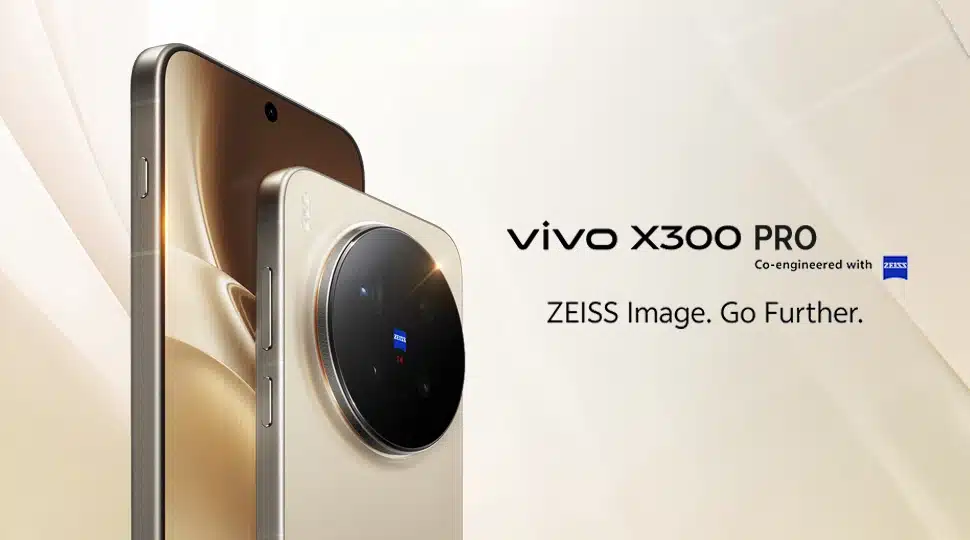
If you prefer to take portrait photographs, then the Vivo X300 Pro is a great option. Its ZEISS-powered camera system is great at snapping natural-looking photos with good subject separation and correct skin tones. In daylight the camera provides detailed shots with brilliant but natural colors, while its low-light performance is as outstanding, retaining good resolution and keeping noise in check after dark. The X300 Pro is one of the most versatile camera phones in the Vivo lineup, regularly delivering solid images whether you’re shooting portraits, landscapes, or night situations.
Mini Specs
- Display: 6.78-inch | LTPO AMOLED | 120Hz
- Chipset: MediaTek Dimensity 9500 | Octa-Core
- Rear Camera: 50MP (Wide) | 50MP (Ultrawide) | 200MP (Periscope Telephoto)
- Front Camera: 32MP
- Battery: 7000mAh | 90W Wired | 30W Wireless
Vivo X200T
| Pros | Cons |
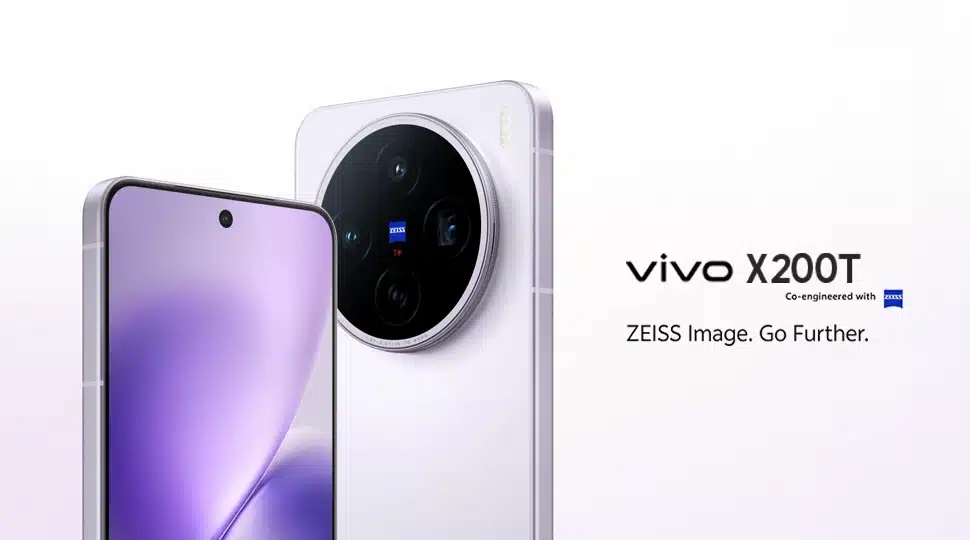
| Excellent ZEISS-powered camera system for versatile photography | Premium pricing compared to mid-range alternatives |
| Long battery life with ultra-fast charging support | No expandable storage option |
| Smooth AMOLED display with a 120Hz refresh rate |
Mini Specs
- Display: 6.67-inch AMOLED, 120Hz
- Processor: MediaTek Dimensity 8400
- Rear Cameras: 50MP Main + 50MP Ultra-Wide + 50MP Telephoto
- Front Camera: 32MP
- Battery: 6,500mAh
- Charging: 90W Fast Charging
Vivo V70 Elite
| Pros | Cons |
| Excellent portrait photography quality | Zoom performance trails flagships |
| Sharp 50MP selfie camera | Low-light shots need more processing |
| Reliable all-round camera system |
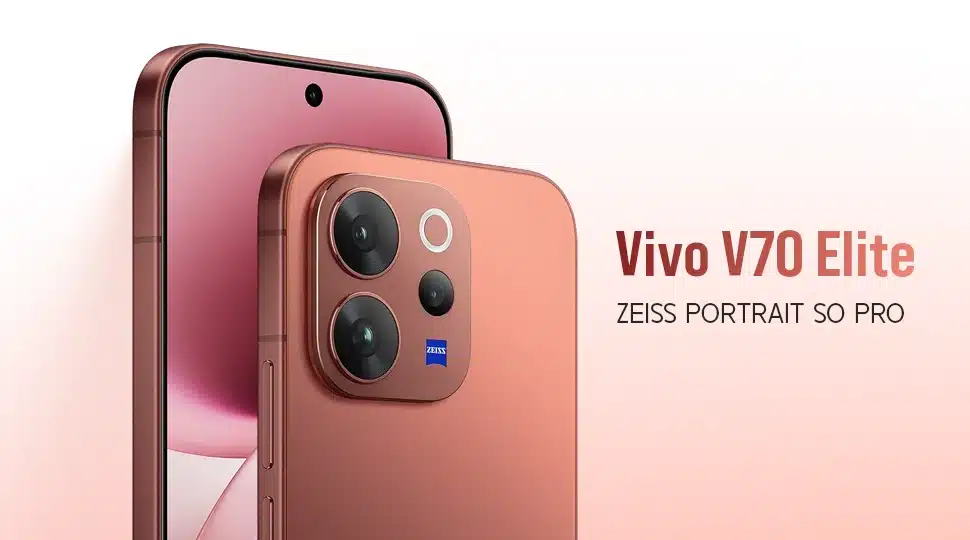
The Vivo V70 Elite proves that you don’t need to buy a flagship phone for an impressive camera experience. Thanks to a ZEISS-optimized camera system, it produces sharp images, natural colors, and reliable portraits that typically exceed expectations for a mid-range handset. What struck me most throughout my time with the phone is consistency, particularly when moving between daylight photography, portraits and social media content creation. The V70 Elite hits a sweet spot for those looking for a solid camera without going into flagship prices.
Mini Specs:
- Display: 6.77-inch | AMOLED | 120Hz
- Chipset: MediaTek Dimensity 9300+ | Octa-Core
- Rear Camera: 50MP (Wide) | 50MP (Ultrawide) | 50MP (Telephoto)
- Front Camera: 50MP
- Battery: 6500mAh | 90W Wired
Vivo V70
| Pros | Cons |
| Excellent 50MP selfie camera | No dedicated telephoto camera |
| Beginner-friendly camera processing | Zoom quality is limited |
| Stable video recording for creators |
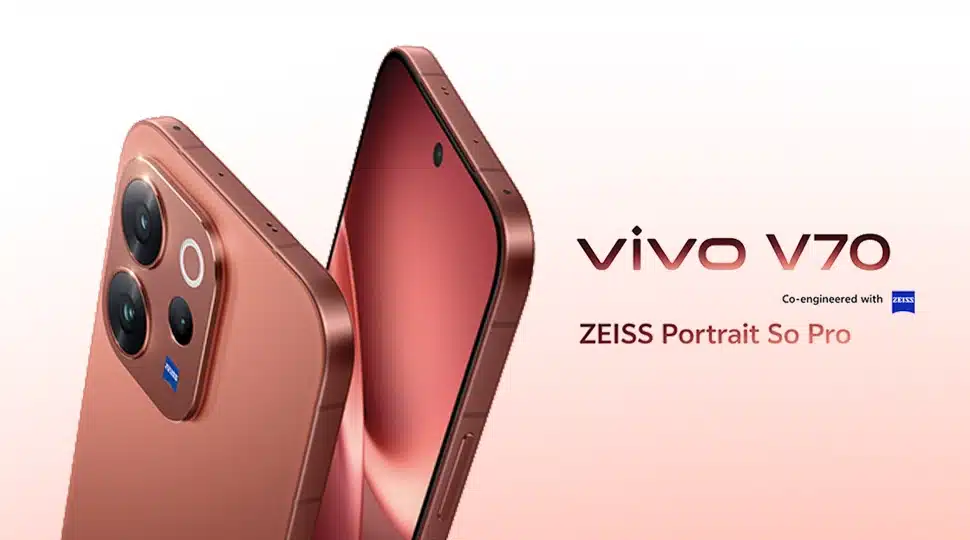
If you want stunning images but don’t want to learn about camera settings, the Vivo V70 is a good alternative. This camera was developed to get beautiful shots out of the shutter and is especially friendly for beginners. Selfies are detailed, skin tones are natural, and the portrait mode produces nice background blur with no effort. The phone does well in daytime and is still dependable in lower-light situations. Another feature we like is video stabilization, which gives you smoother handheld footage for social media content, video calls, and casual recording.
Mini Specs:
- Display: 6.77-inch | AMOLED | 120Hz
- Chipset: Snapdragon 7 Gen 4 | Octa-Core
- Rear Camera: 50MP (Wide) | 50MP (Ultrawide)
- Front Camera: 50MP
- Battery: 6500mAh | 90W Wired
Vivo T5 Pro
| Pros | Cons |
| Excellent gaming and camera balance | The ultrawide camera is average |
| Fast and responsive performance | Portraits trail V-series phones |
| Reliable daylight photography |
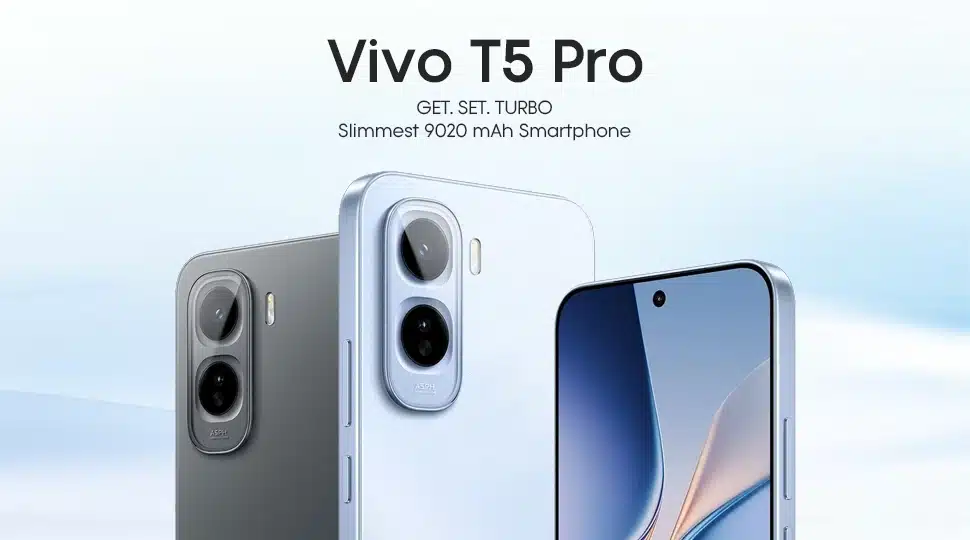
The Vivo T5 Pro is a good option for customers who seek decent performance without fully compromising on camera quality. It’s not a dedicated camera phone like the Vivo X-series or V-series handsets, but it captures reliable shots in most scenarios while providing the processing power needed for gaming, multitasking and demanding apps. The one thing that amazed me is how effectively it balances these two areas, and makes for a great alternative for customers who want one phone that can do both photography and performance-focused chores.
Mini Specs
- Display: 6.77-inch | AMOLED | 144Hz
- Chipset: MediaTek Dimensity 9400e | Octa-Core
- Rear Camera: 50MP (Wide) | 8MP (Ultrawide)
- Front Camera: 32MP
- Battery: 5500mAh | 90W Wired
Vivo V50 Lite
| Pros | Cons |
| Good daylight photography results | Low-light performance is limited |
| Long battery life with 90W charging | No ultrawide camera |
| User-friendly camera processing |
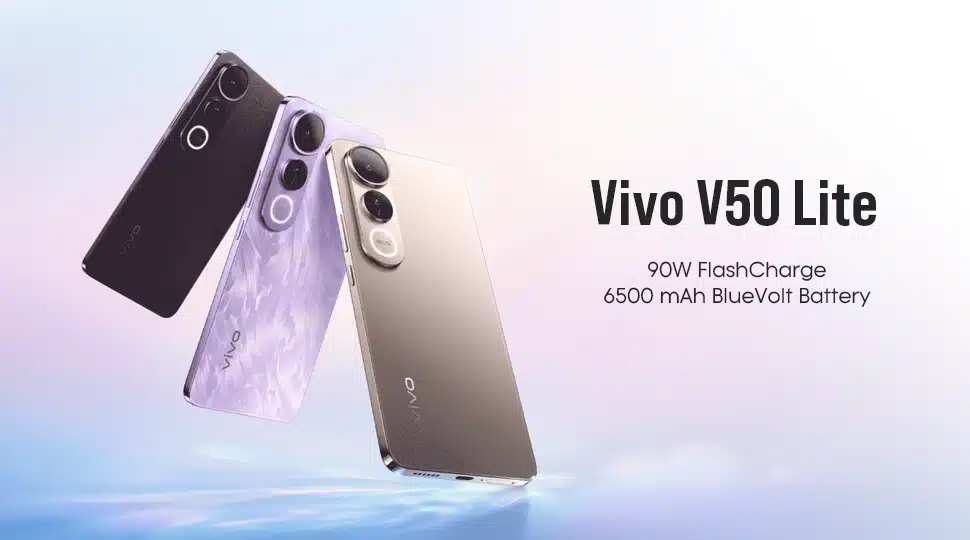
The Vivo V50 Lite shows you don’t need to pay flagship money for a capable smartphone camera. Targeted at cost-sensitive buyers, the phone provides reliable performance in the scenarios that matter most to users. Daylight images are clear and the colors appealing. Portrait shots are decent with subject separation, and the camera is more capable of taking social-media-ready snaps for Facebook, Instagram, and TikTok. For daily use, the V50 Lite offers a surprisingly satisfying camera experience, as long as you manage your expectations in this price segment.
Mini Specs
- Display: 6.77-inch | AMOLED | 120Hz
- Chipset: Snapdragon 685 | Octa-Core
- Rear Camera: 50MP (Wide) | 2MP (Depth)
- Front Camera: 32MP
- Battery: 6500mAh | 90W Wired
How We Selected These Vivo Camera Phones
Camera Consistency
A good camera should always deliver consistent results. Not just in beautiful daylight, but also in low light. Our focus was on phones that can reliably take good images in any lighting situation, whether it’s daylight, inside, or low-light. Phones that deliver accurate colors, balanced exposure, and consistent image quality across varied circumstances scored better on our ranking.
Portrait Photography
We preferred phones that created a natural-looking background blur and accurate skin tones. A good portrait should bring out the subject without looking over-processed. Phones that reliably offered accurate subject separation, lifelike skin tones and professional-looking portraits ranked higher in our selection
Low-Light Performance
We examined how each camera performs in terms of noise and detail retention in the dark. The good low-light performance helps produce cleaner and sharper photographs without depending too much on software processing. The phones that regularly produced brighter night images, more shadow depth, and natural colors placed higher on our list.
Selfie Quality
A decent selfie camera should maintain the facial structure and keep the skin tones natural and authentic. We liked phones that can take aesthetically pleasing selfies without going nuts on beauty filters or over-processing. Phones that provided clear details, natural facial processing, and consistent results across diverse lighting settings ranked higher on our list.
Video Recording
Good camera phones should be able to shoot smooth video with detail, colors that look true to life, and stable stabilization. We compared each camera’s performance in real-life scenarios such as movement, exposure changes, and general recording quality. Phones that delivered consistent, dependable footage, natural color reproduction, and high-quality video performance ranked higher on our list.
Overall Camera Experience
A good camera phone is more than just megapixels. All devices have been tested in real-world settings like fast pictures, portraits, video, and low-light photography. Our ranking scored higher for the devices that always did the job with the least amount of effort.
Final Verdict
Vivo has a camera phone for every type of user. The best Vivo camera phone overall is the Vivo X300 Ultra, and the best for portrait lovers is the X300 Pro. If you care about value most of all, the Vivo X200T gives a top-tier flagship camera experience at a much more palatable price. Meanwhile, the V70 Elite, V70, and V50 Lite target mid-range, selfie-obsessed, and budget-conscious shoppers. The Vivo X200T has the finest combination of camera performance, features, and overall value for the majority of customers.
Frequently Asked Questions
Which Vivo phone has the best camera in 2026?
The Vivo X300 Ultra has the best camera system in Vivo’s lineup. It excels in daylight photography, low-light performance, zoom photography, portraits, and video recording, making it the most complete camera phone overall.
Which Vivo phone is best for portrait photography?
The Vivo X300 Pro is the best Vivo phone for portrait photography. Its ZEISS-powered camera system delivers natural skin tones, accurate subject separation, and professional-looking background blur.
Which Vivo phone is best for selfies?
The Vivo V70 is our top pick for selfies. Its 50MP front camera captures detailed photos with natural facial processing, making it a great choice for content creators and social media users.
Are Vivo phones good for low-light photography?
Yes. Vivo’s flagship X-series phones are among the best smartphones for low-light photography. Models like the X300 Ultra, X300 Pro, and X200T capture cleaner images with better detail retention and improved noise control in challenging lighting conditions.
Which Vivo camera phone offers the best value for money?
The Vivo X200T offers the best value for money. It combines flagship-level camera performance, powerful hardware, strong battery life, and ZEISS-tuned imaging without reaching ultra-series pricing.